Jewellery retail inverts the usual POS priorities. Transaction volume is low, ticket values are high, and a single missing item can matter more than a week’s sales. A jewellery shop POS should be built around item-level tracking, accountability, and customer history rather than checkout speed.
Key takeaways
- Track individual pieces — each item as its own product or variant with a unique code.
- Per-user logins and permissions make discrepancies traceable to a shift.
- Cycle count weekly, not annually — high value means small errors are expensive.
- Record repairs, custom orders and layaway in the system, never on paper.
- Customer history is a sales asset: anniversaries, sizes, previous purchases.
Item-level tracking is non-negotiable
In most retail you can get away with “we have 14 of these.” In jewellery, especially with one-of-a-kind or consignment pieces, you need to know exactly which item sold, at what price, by whom.
Practically:
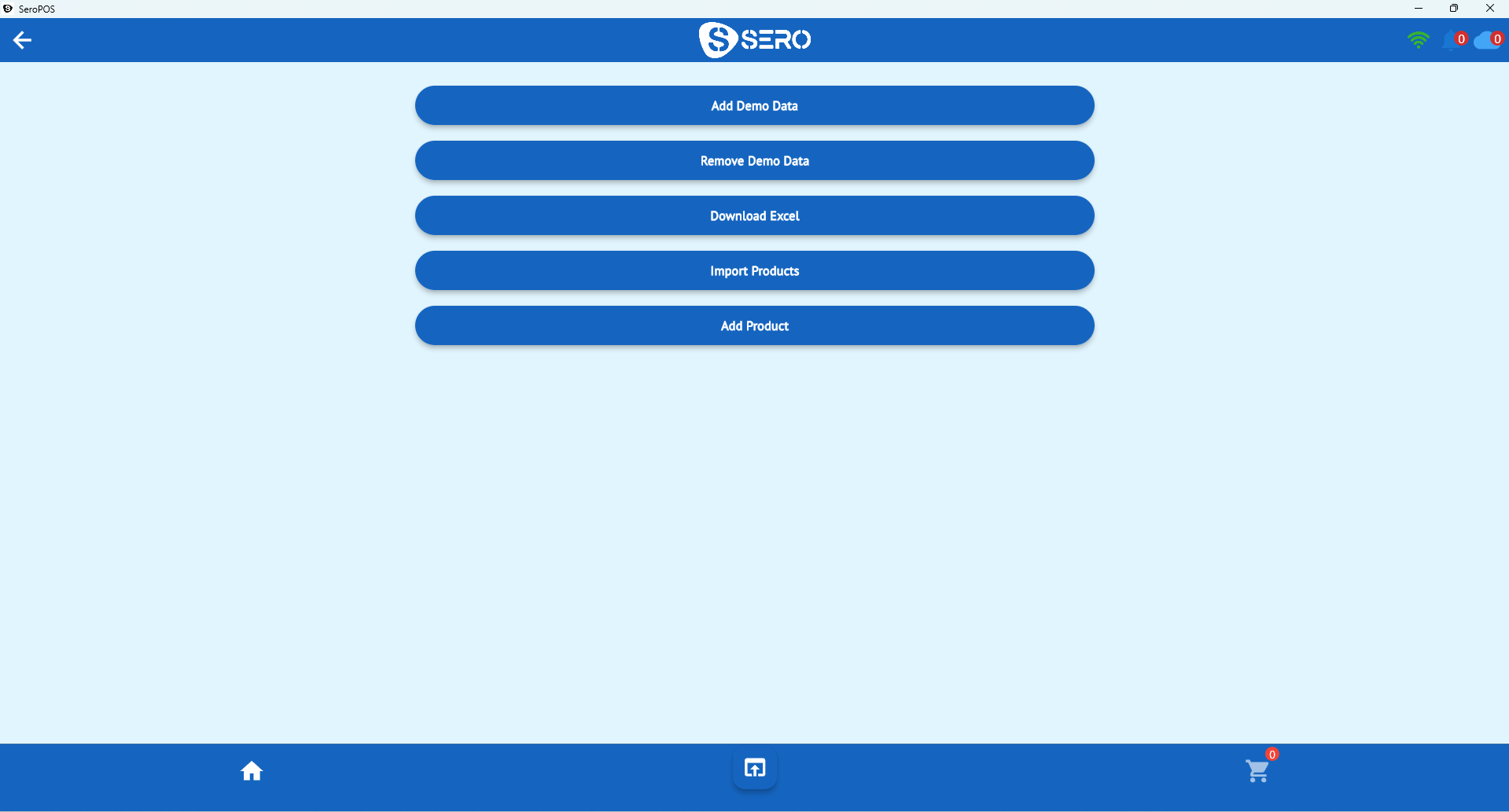
- Give every piece its own product record or variant with a unique code
- Record cost, supplier and date received — essential for margin and insurance
- Use barcodes or tags so scanning identifies the exact piece (barcode guide)
- Photograph pieces where possible — helpful for insurance and online listings
Accountability and shrinkage
You don’t prevent losses with software alone, but you make them visible:
| Control | What it catches |
|---|---|
| Per-user logins | Who processed what, and when |
| Role-based permissions | Who can discount, void or refund |
| Void/discount reporting | Unusual patterns worth a conversation |
| Weekly cycle counts | Discrepancies while they’re still explainable |
| Receiving against POs | Items that never made it to the case |
Annual counts in a jewellery shop are too late to be useful. Counting a section weekly turns a mystery into a question with an answer.
Repairs, custom work and layaway
Most jewellery shops run three businesses at once: retail sales, repairs, and custom commissions. Each needs a record:
- Repairs — customer, item description, agreed price, promised date, status
- Custom orders — deposit taken, specification notes, expected completion
- Layaway/deposits — partial payments recorded against the order so nothing is disputed later
Keeping these in the POS rather than a paper book means anyone in the shop can answer “is my ring ready?” without hunting.
Customer history sells
Jewellery is an occasion purchase, which makes customer records unusually valuable:
- Previous purchases (so you don’t recommend something similar to last year’s gift)
- Ring sizes and preferences
- Birthdays and anniversaries — legitimate, welcome reasons to make contact
Customer profiles in SeroPOS hold contact details, groups and birthdays, and every sale attaches to the profile. See loyalty design if you want to formalize repeat business.
Payments and high-ticket sales
- Integrated terminal so a $4,200 sale is never mistyped (why integration matters)
- Split payments across cards or part-cash for large purchases
- Deposits recorded against the order, with balance due tracked
- Clear receipts with item detail for insurance and warranty purposes
The setup
| Item | Cost |
|---|---|
| Tablet or PC (owned) | $0 |
| Receipt printer | $150–$400 |
| Barcode/label printer | $150–$400 |
| Scanner | $30–$120 |
| SeroPOS software | $29.99–$49.99/month |
More in the POS hardware guide and the retail POS guide.
Download SeroPOS and try item-level tracking during the 14-day free trial.